
The sports betting arena has witnessed a seismic shift, largely fueled by the proliferation of sports betting apps. Current data reveals a staggering surge, with the global sports betting market projected to reach unprecedented heights in the coming years. This transformation signifies more than just numbers; it represents a fundamental change in how people engage with sports and gambling.
The evolution of sports betting from traditional brick-and-mortar establishments to the digital realm has been rapid. Several key factors have converged to create the perfect storm for mobile betting’s ascendance. Primarily, convenience and accessibility have emerged as the most compelling drivers. Now, users can place wagers from nearly anywhere, at any time, breaking down geographical barriers and time constraints that once defined the industry.
As someone deeply familiar with the dynamics of this industry, these trends have emerged firsthand, offering unique advantages to users seeking to participate in the excitement of sports wagering.
The Technological Revolution Fuels the Boom
The sports betting industry’s explosive growth is intrinsically linked to the rapid advancements in mobile technology. Faster internet speeds and sophisticated app development have not only made sports betting more accessible but also significantly more engaging. This technological leap has transformed how people interact with sports and wagering, turning what was once a niche activity into a mainstream entertainment form.
Smartphones and High-Speed Internet
The proliferation of smartphones has been a game-changer. As smartphone usage increases, so too does the adoption of sports betting apps. This correlation is undeniable. Improved internet infrastructure, delivering faster and more reliable mobile connectivity, supports seamless betting experiences. Buffering and lag are relics of the past, replaced by instantaneous access to odds, live scores, and betting options. This ease of access lowers the barrier to entry, enticing a broader demographic to participate.
Better User Experience (UX) and Design
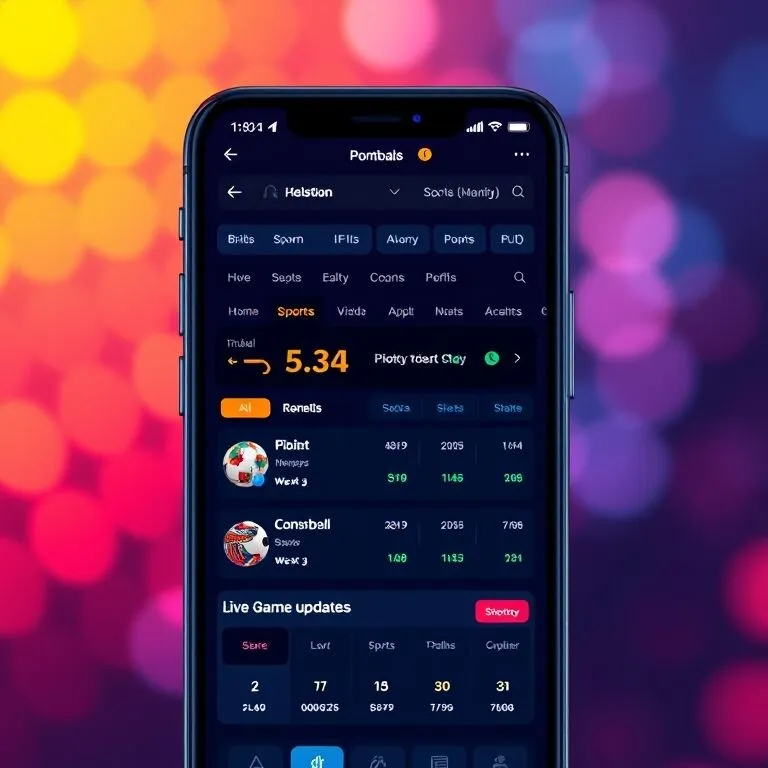
Beyond mere functionality, the user experience (UX) and user interface (UI) design of modern betting apps are paramount. Top betting apps invest heavily in intuitive navigation, visually appealing interfaces, and personalized experiences. Principles of design thinking are meticulously applied to reduce friction and enhance user engagement. Clean layouts, easy-to-understand betting options, and seamless transaction processes contribute to a satisfying user journey. Furthermore, enhanced accessibility features cater to users with disabilities, broadening the appeal and inclusivity of these platforms making it accessible to more users than ever before.
Marketing and Advertising Blitz
Sports betting companies engage in aggressive marketing to attract users. This involves a multifaceted approach, from traditional TV commercials to sophisticated digital strategies. They aim to increase visibility and normalize sports betting.
Sports betting marketing is designed to make these platforms ubiquitous. The objective is to ensure their products remain top of mind for potential users. A wide range of advertising strategies are in play, all designed to ensure maximum visibility and impact. By showcasing user-friendly interfaces and the potential for financial gain, these campaigns aim to rapidly grow their user base.
This approach makes people more aware of the available sports betting apps, providing information on the variety of options. It also helps to normalize sports betting activities.
The Power of Celebrity Endorsements
Celebrity endorsements represent a cornerstone of sports betting marketing. Athletes and other celebrities lend their image to these brands, leveraging their influence to sway consumer perception. This taps into the aspirational nature of fandom, suggesting a connection between betting success and the celebrity’s persona. The effect on consumer behavior can be significant, particularly among younger demographics who are highly engaged with celebrity culture.
However, celebrity marketing carries inherent risks. A celebrity’s misbehavior can damage the brand. Careful vetting and risk assessment are critical when engaging in these partnerships.
Bonuses, Promotions, and Loyalty Programs
Sports betting promotions are essential for acquiring and keeping users in a competitive market. Bonus offers, such as matched deposits or risk-free bets, incentivize new users to sign up. Loyalty programs reward continued engagement, encouraging users to keep betting. Such programs, designed to foster long-term engagement, include tiered benefits and exclusive offers to increase the user lifetime value.
However, these perks come with potential drawbacks. Wagering requirements, for instance, can make it difficult for users to withdraw winnings earned using bonus funds. These requirements often get complaints among users. Bonuses and other promotional tools, when used correctly, are beneficial in turning users into app loyalists.

The Appeal of Convenience and Accessibility
Sports betting apps have surged in popularity, and it’s easy to see why. At their core, they offer something incredibly valuable in today’s fast-paced world: unparalleled convenience. Forget trekking to a physical sportsbook; these apps put the power of wagering right in your pocket, allowing you to place bets anytime, anywhere. This accessibility has opened up sports betting to a much broader audience, including those who might have been intimidated or simply unable to participate in traditional betting scenarios. It seamlessly integrates into the modern lifestyle.
Imagine this: you’re at a friend’s house watching a big game, and you have a hunch about what’s going to happen next. In the past, you’d have to miss part of the action to rush out and place a bet. Now, with a few taps on your phone, you’re in, bet placed, and back to the game before you miss a crucial play.
Betting on the Go
Mobile betting has completely transformed the landscape of sports wagering. Think about it: not long ago, you were confined to specific locations and operating hours to place a bet. Now, remote access is the name of the game. Whether you’re commuting to work, relaxing at home, or even attending the game itself, online wagering is just a few taps away. This ease of use is especially advantageous for live betting, where split-second decisions can make all the difference. The traditional method pales in comparison to the effortless of mobile betting.
Round-the-Clock Availability
The traditional sportsbook has set hours of operations. With sports betting apps, the action never stops. The 24/7 access they provide goes beyond simple convenience; it caters to a global audience with diverse schedules and time zones. For international bettors, this means the ability to wager on events happening across the world at any time of day or night. It also serves those with unconventional work schedules, where traditional betting windows might be inaccessible. Sports betting apps provides access to the betting markets, anytime.
Demystifying the Legal Landscape
The world of sports betting apps exists within a dynamic regulatory environment, one that’s constantly shifting as more regions consider legalization. Understanding this legal framework is crucial, both for operators and users alike. The key takeaway is that sports betting isn’t governed by a single, unified law across the entire United States (or other countries, depending on your location). Instead, it’s a patchwork of legislation, with each state or territory setting its own rules and guidelines. This decentralized approach leads to a complex web of regulations that can be challenging to navigate. The goal of many of these regulations is to establish a legal framework and ensuring fair practices, prevent underage gambling, and generate tax revenue.
Navigating this landscape requires staying informed and understanding the particulars of the laws and the nuances of sports betting legalization. This includes everything from licensing requirements for operators to restrictions on the types of bets allowed. For users, it’s about knowing which apps are legally operating in their state and understanding their rights and responsibilities.
State-by-State Legalization
The legalization of sports betting is unfolding on a state-by-state basis, creating a diverse range of legal frameworks. Some states have embraced online sports betting wholeheartedly, offering multiple platforms and competitive markets. Meanwhile, others have taken a more cautious approach, limiting the number of licenses or restricting betting to physical establishments. Staying informed about your specific state’s regulations is crucial. Resources like the American Gaming Association provide up-to-date information on sports betting legislation across the country. For example, New Jersey and Pennsylvania have comprehensive online markets, while other states may only allow in-person wagering.
Federal Oversight and Compliance
While state governments primarily regulate sports betting, federal bodies also play a role in oversight and compliance. The Department of Justice, plays a crucial role in overseeing interstate commerce and ensuring compliance with federal laws. Data security is another key area of federal concern. Sports betting apps handle sensitive personal and financial information, making them attractive targets for cyberattacks. Compliance with data security standards is essential to protect consumers and maintain the integrity of the industry. The federal government sets the guidelines to ensure operations work legitimately across states.
Responsible Gambling and Risk Mitigation
Staying in control is key when enjoying sports betting apps. Responsible gambling means understanding the risks involved and taking steps to mitigate them. It’s about keeping the fun in the game without letting it take over your life. Betting operators have a responsibility to promote responsible gambling, and users should take advantage of the tools and resources available to them.
Setting Limits and Managing Your Bankroll
Smart betting starts with setting clear limits. Begin by creating a dedicated betting budget – a set amount of money you’re comfortable potentially losing. Once you’ve established your budget, divide it into smaller units for each bet. This prevents you from depleting your funds too quickly. Equally important is bankroll diversification: spread your bets across different games and bet types rather than risking it all on a single outcome. Treat your betting budget as entertainment money, not as a source of income.
Recognizing and Addressing Problem Gambling
It’s crucial to recognize the signs of problem gambling. Are you betting more than you can afford? Are you chasing losses, trying to win back what you’ve lost with bigger bets? Is gambling affecting your relationships or work? These are all red flags. If you recognize these signs, it’s time to seek help. There are many resources available, including support groups and counseling services. Don’t hesitate to reach out – it’s a sign of strength, not weakness. Self-exclusion programs, offered by many betting platforms, are another valuable tool. They allow you to voluntarily ban yourself from using the service, giving you time to regain control.
Future Trends and Predictions
The sports betting app industry is on the cusp of transformative changes, driven by technological innovations and evolving regulatory landscapes. Expect to see current trends accelerate and entirely new possibilities emerge, reshaping how people engage with sports wagering. Staying ahead means understanding these potential shifts and their effects on the overall betting ecosystem.
One key area to watch is the integration of technologies like blockchain and artificial intelligence (AI). Blockchain could bring increased transparency and security to transactions, addressing concerns about fairness and trust. AI promises to personalize the betting experience, tailoring recommendations and insights to individual user preferences. On the regulatory front, the potential for nationwide legalization in various regions looms large. Such a shift could dramatically expand the market, leading to increased competition and innovation as established and new players vie for market share. These factors combined signal a dynamic future for sports betting apps.
The Rise of In-Play Betting
Live, in-play betting is rapidly becoming a dominant force in the sports wagering world. Several factors fuel this growth, including the increasing availability of real-time data and the enhanced user interfaces of modern betting apps. Punters now demand the ability to react instantly to unfolding events, placing wagers as the game progresses. This demand is facilitated by technologies that provide instant odds updates and seamless betting experiences. As technology evolves, in-play betting is likely to become even more sophisticated, offering more immersive and interactive options.
AI and Personalization
Artificial intelligence is poised to revolutionize personalized betting experiences. AI algorithms can analyze vast amounts of data to recommend optimal bets based on individual risk tolerance, betting history, and preferences. Furthermore, AI excels at detecting fraudulent activity, safeguarding both the user and the betting platform. The use of AI raises important ethical considerations. Ensuring fairness, transparency, and responsible gambling practices will be vital as AI becomes a more integrated part of the sports betting landscape.
Conclusion
The surge in popularity of sports betting apps marks a significant shift in how fans engage with their favorite games. Several factors fuel this mobile betting boom, including the convenience of placing bets anywhere, anytime, and the increasing legalization of sports betting across various regions. Technological advancements play a crucial role, offering sophisticated platforms with real-time data, diverse betting options, and user-friendly interfaces.
However, navigating this rapidly evolving landscape requires a comprehensive understanding of the technology driving these apps, the complex web of regulations governing their operation, and, most importantly, the principles of responsible gambling. As sports betting becomes increasingly accessible, it’s essential to approach it with caution and awareness.
Stay informed about the latest developments in sports betting apps, understand the rules, and always gamble responsibly. By doing so, fans can enjoy this exciting form of entertainment while minimizing the risks involved. The world of mobile sports betting offers an engaging experience, but only when approached with knowledge and self-awareness.